Grind size: how fine for espresso, V60 and French press?
Grind size decides how fast water pulls flavour out of the coffee. Which setting suits which brew method, and how to adjust.
公開日:2026年11月22日
この記事はまだ翻訳されていないため、英語で表示しています。
Extra fine
Turkish coffee
like flour
Fine
Espresso
like icing sugar
Medium-fine
Moka pot, AeroPress
like fine sand
Medium
V60, drip machine
like table salt
Medium-coarse
Chemex
like raw sugar
Coarse
French press, cold brew
like coarse sea salt
Why grind size matters
- Finer grounds mean more surface: water dissolves flavour faster.
- Too fine: the coffee turns bitter and dry and drains slowly.
- Too coarse: the coffee tastes sour and thin and runs through too fast.
- Rule of thumb: short brew time, fine grind. Long brew time, coarse grind.
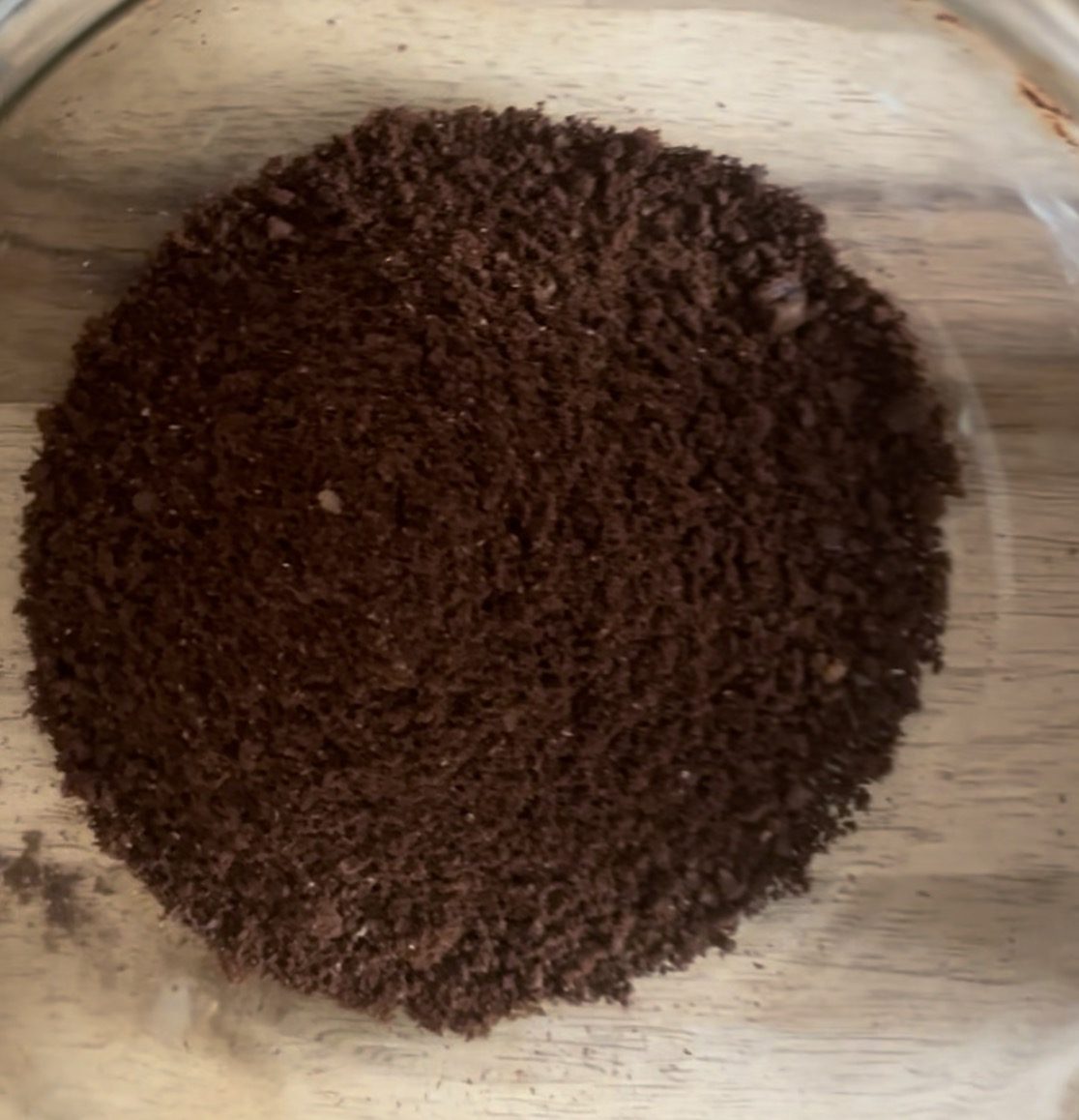
How to dial it in
- Change only one step at a time, then taste.
- Sour and watery: one step finer.
- Bitter and harsh: one step coarser.
- Keep dose, water and time the same, or you won't know what made the difference.
Grinder and freshness
- Use a burr grinder rather than a blade grinder: only burrs give even particles.
- Grind right before brewing. Ground coffee loses its aroma in minutes rather than weeks.
- Every grinder is different. The numbers on the dial are a starting point; taste decides.
ほかの記事
- Decaffeination: every method with pros and cons
- What happens inside an espresso machine: pump, boilers, group head
- Washed, natural, honey: how processing shapes the taste
- The flavour wheel: how to taste and describe coffee
- Fermented coffee: anaerobic, carbonic maceration and co-fermentation
- Vietnamese coffee: phin, condensed milk and egg coffee
- Arabica or robusta? Coffee species and their best-known varieties
- Growing regions: where coffee grows and how the regions taste
- Altitude: why coffee grown at 1,800 metres tastes different
- V60, Chemex, French press and more: brew methods at a glance
- Espresso basics: ristretto, lungo, doppio, extraction and grind size
- Light or dark roast, and what “specialty” actually means
- Latte art: heart, tulip, rosetta and what is behind them
- Dairy, oat, soy: what milk does to your coffee
- Flat white, cappuccino, latte macchiato, caffè latte: the difference
- Why coffee should not be too hot
- Bean, barista, machine: why a La Marzocco is a good sign
- Made by hand in Florence: the story of La Marzocco
- Linea, Strada, KB90: how to recognise La Marzocco models
- How to spot a La Marzocco and add it to the map