Latte art: heart, tulip, rosetta and what is behind them
Latte art is more than decoration: a clean pattern shows the milk was steamed properly. The three basic patterns and how to spot good latte art.
Publié le 22 novembre 2026
Cet article n’est pas encore traduit et s’affiche en anglais.
The heart on your cappuccino looks nice, but it also tells you something about the craft behind it. A clear pattern only works with well-steamed milk and a fresh espresso with stable crema. That makes latte art a small quality test you can do with your eyes.
The foundation: microfoam
Latte art needs fine foam with no visible bubbles that shines like wet paint. It forms when the barista draws in air only briefly at the start and then lets the milk spin in the jug until it reaches about 55 to 65 °C. Coarse, stiff foam cannot be poured; it just plops onto the coffee.
How a pattern forms
First the barista pours from a little height into the centre of the cup, so the milk dives under the crema and mixes with the espresso. When the cup is about half full, the jug moves close to the surface. Now the foam stays on top and draws white shapes on the brown crema. Small wrist movements and a final pull through the pattern create the figure.
The three basic patterns
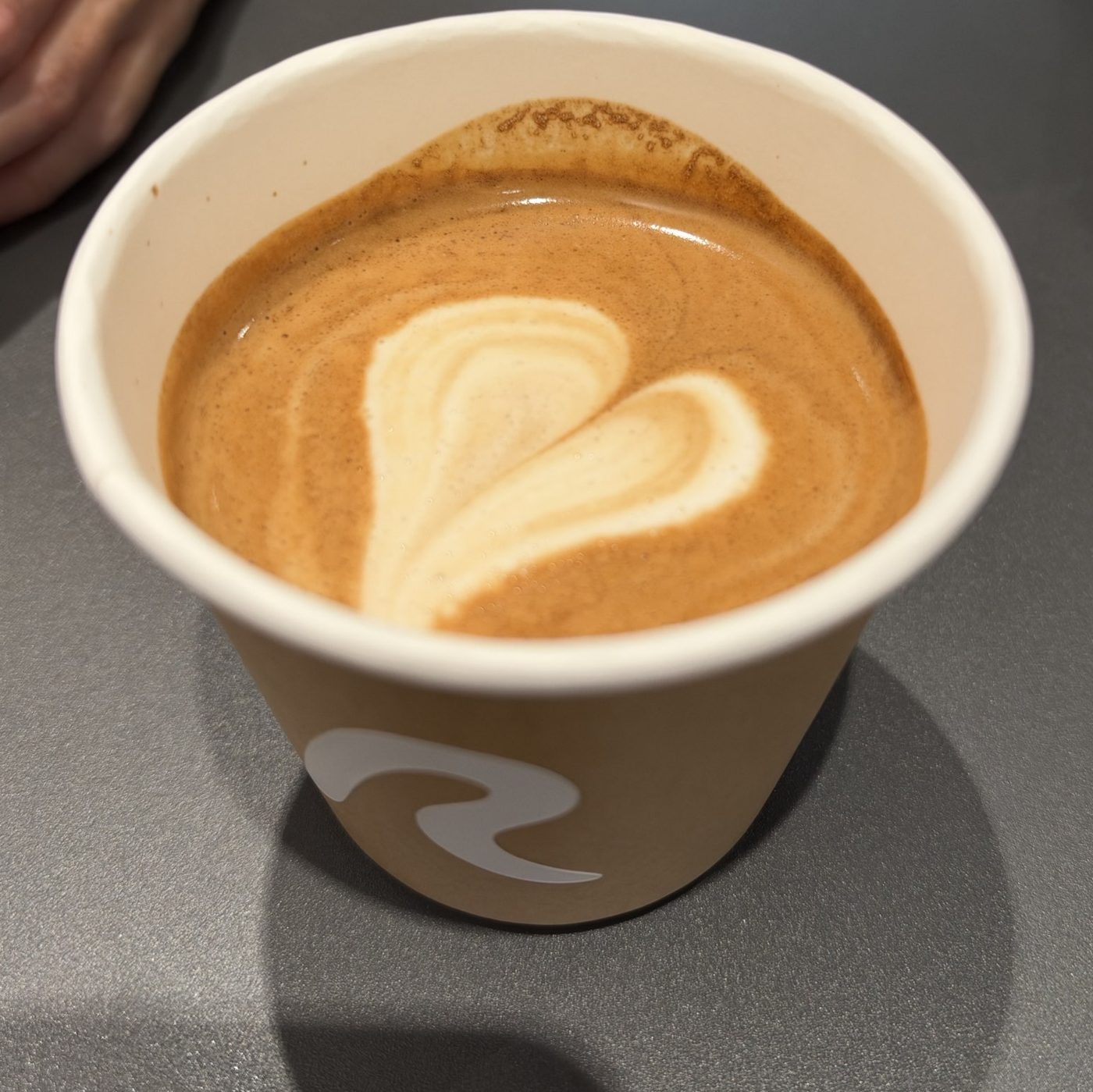
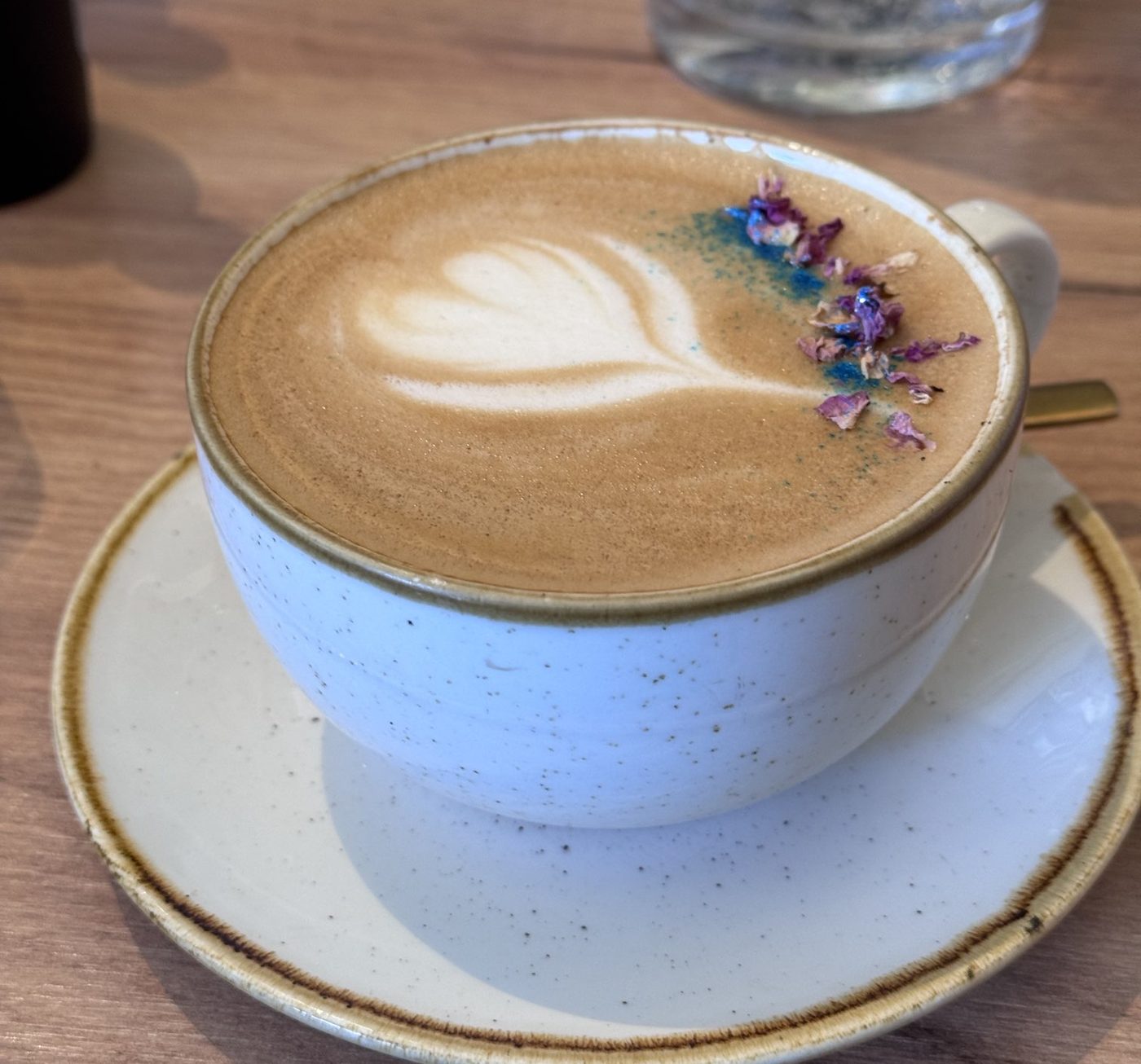
- Heart: a round blob of foam with a line pulled through it at the end. The first pattern everyone learns.
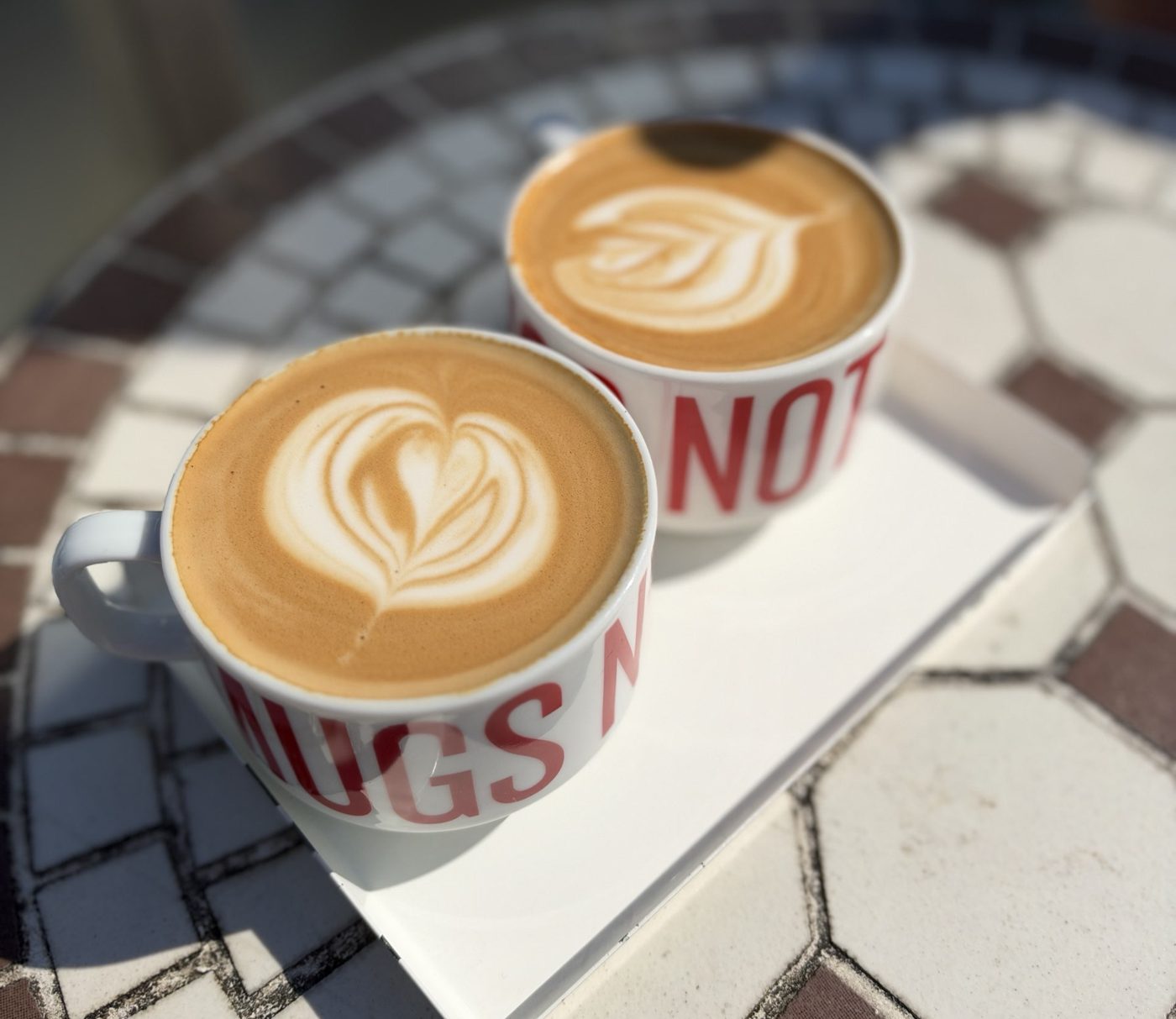
- Tulip: several blobs pushed into one another and stacked into a flower. Needs control of the flow.
- Rosetta: a fern leaf of many fine waves made by wiggling the jug back and forth. The master class among the classics.
Advanced: the swan
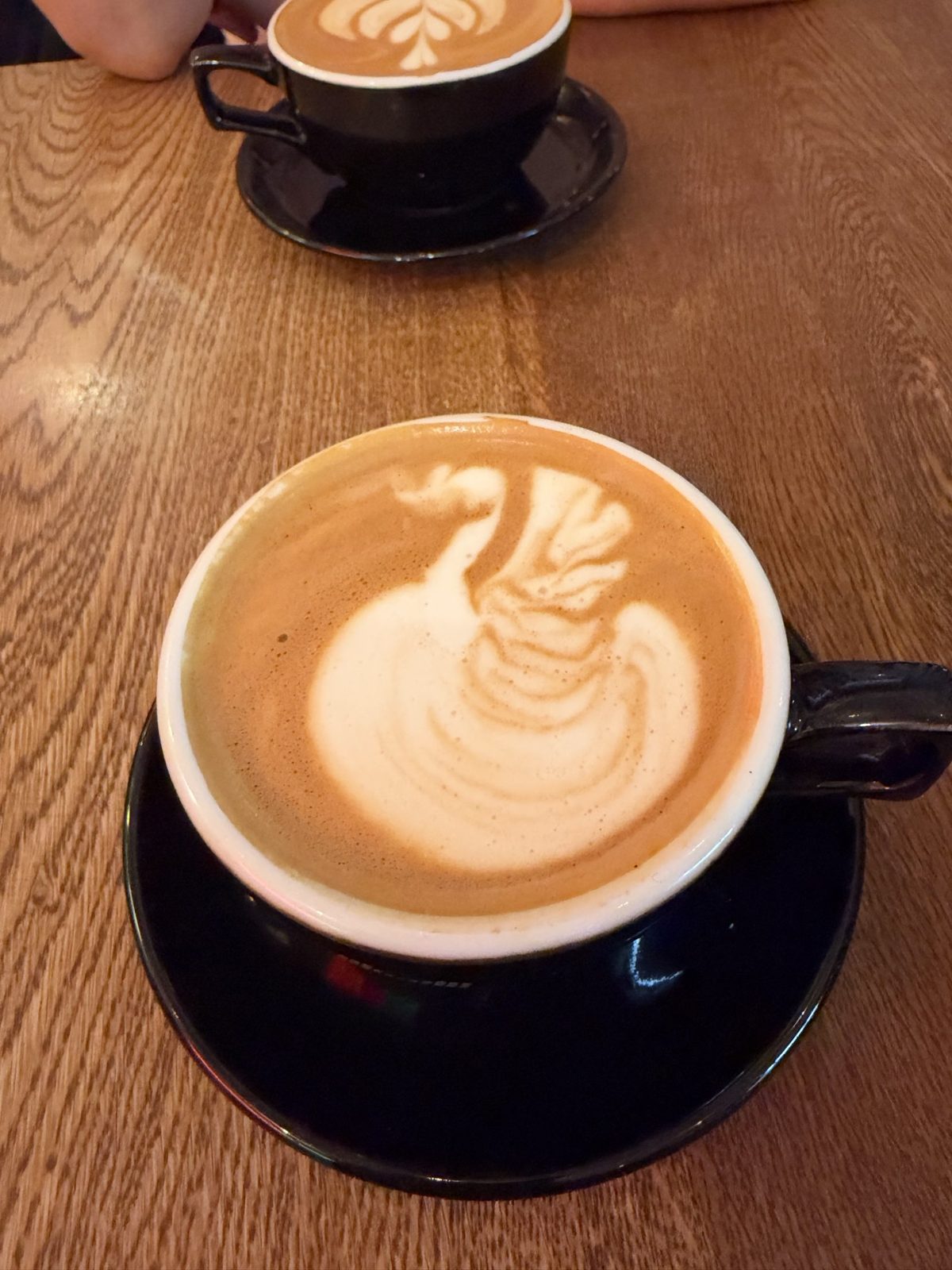
The swan combines the basic patterns: the body is a rosetta, the wings come from curved waves along the edge, and the neck is drawn last with a thin stream in an arc. A barista who pours a clean swan has both milk texture and pouring technique under control.
How to spot good latte art
- Clear contrast between white and brown, no blurry edges
- Glossy, smooth surface without large bubbles
- Pattern centred and symmetrical
- Foam stays velvety as you drink, not dry
More than a show
There are even latte art competitions, up to world championships, with swans and whole scenes in the cup. Day to day, something else counts: a clean heart or tulip shows the milk and espresso were right. And you can taste that.
Love the latte art in a café? Upload a photo when you confirm it on Good Coffee Map.
Plus d’articles
- Espresso basics: ristretto, lungo, doppio, extraction and grind size
- Light or dark roast, and what “specialty” actually means
- Dairy, oat, soy: what milk does to your coffee
- Flat white, cappuccino, latte macchiato, caffè latte: the difference
- Why coffee should not be too hot
- Bean, barista, machine: why a La Marzocco is a good sign
- Made by hand in Florence: the story of La Marzocco
- Linea, Strada, KB90: how to recognise La Marzocco models
- How to spot a La Marzocco and add it to the map