Flat white, cappuccino, latte macchiato, caffè latte: the difference
All four are espresso with milk. What sets them apart is volume, foam and order, and that changes how they taste.
Publicado el 22 de noviembre de 2026
Este artículo aún no está traducido y se muestra en inglés.
Espresso plus milk, four ways. The boundaries are not standardised and every café interprets them a little differently. But the basic rules hold almost everywhere: what matters is how much milk goes in and how thick the foam is.
Flat white
The strongest-tasting of the four. Usually made with a double espresso or ristretto, topped with a little milk and only a thin, velvety layer of microfoam. Hence the name: flat and white. You clearly taste the coffee; the milk rounds it off.
Where it comes from is still disputed. Australia and New Zealand both claim to have invented it in the 1980s.
Cappuccino
The Italian classic in a cup: espresso, warm milk and a clearly visible, thicker cap of foam. It is about the size of a flat white but feels lighter and airier because of the foam.
Caffè latte
Bigger and milder: the same amount of espresso as a cappuccino, but much more milk and only a thin layer of foam. Good for anyone who likes coffee as a gentle milky drink. A warning in Italy: order just a latte there and you get a glass of milk.
Latte macchiato
A favourite in German-speaking countries, served in a tall glass. Here the order is reversed: hot milk and foam go into the glass first, then the espresso is poured slowly through it. That creates the typical layers of milk, coffee and foam. Macchiato means stained: the coffee marks the milk.
It is the milkiest of the four and tastes the least of coffee.
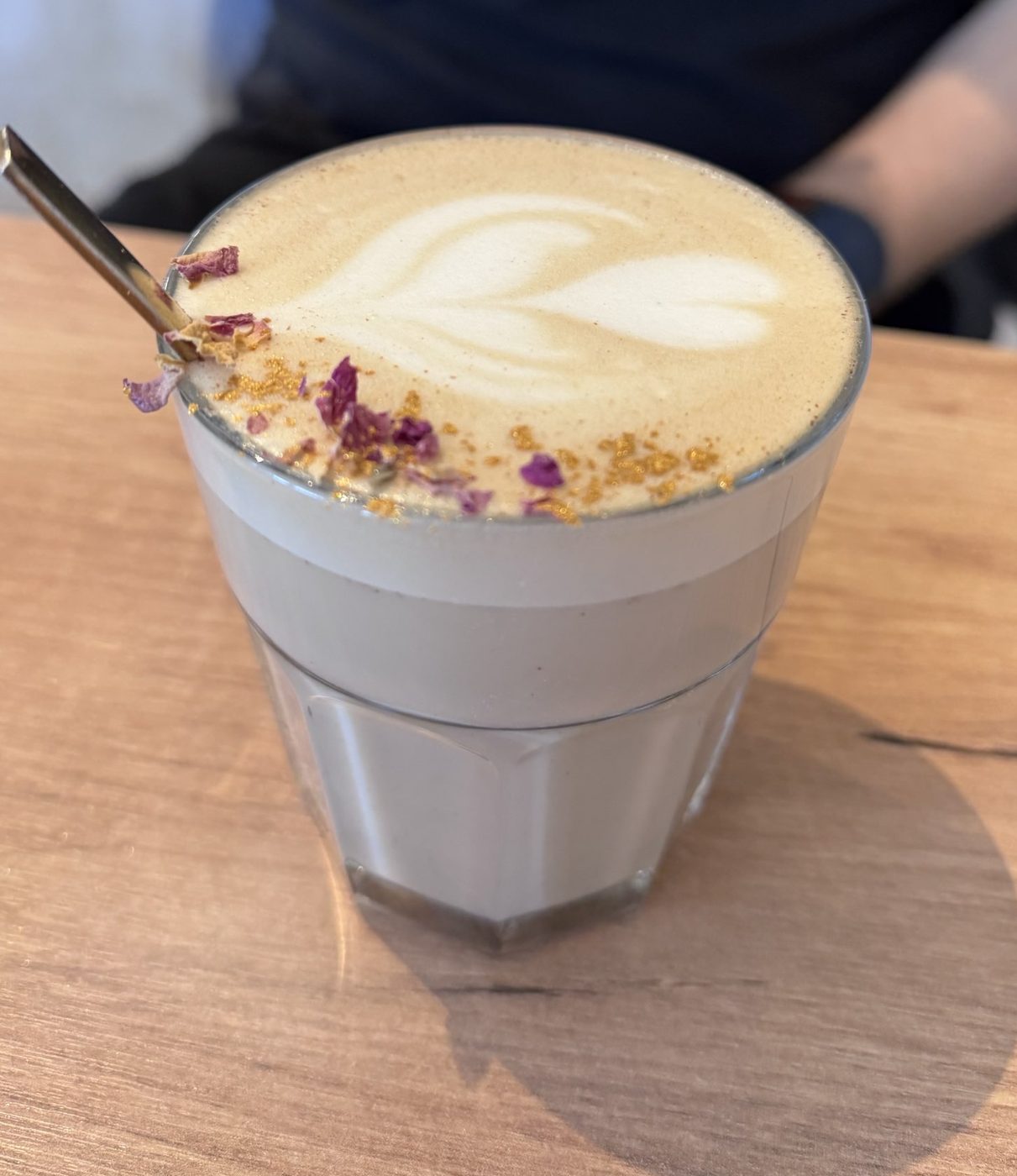
Which one is right for you?
- You want to taste the coffee: flat white
- You love foam: cappuccino
- You want it mild and big: caffè latte
- You want it layered in a glass and very milky: latte macchiato
Tip for specialty cafés: to get to know a bean, order a flat white or a cappuccino. The more milk, the more the subtle flavours disappear.
Más del journal
- Espresso basics: ristretto, lungo, doppio, extraction and grind size
- Light or dark roast, and what “specialty” actually means
- Latte art: heart, tulip, rosetta and what is behind them
- Dairy, oat, soy: what milk does to your coffee
- Why coffee should not be too hot
- Bean, barista, machine: why a La Marzocco is a good sign
- Made by hand in Florence: the story of La Marzocco
- Linea, Strada, KB90: how to recognise La Marzocco models
- How to spot a La Marzocco and add it to the map